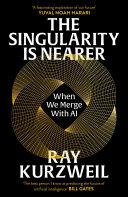
The Singularity Is Nearer
The Singularity Is Nearer by Ray Kurzweil is one of 2026's most credible books, appearing on 1 of the year's most respected lists, including McKinsey & Company, for a Consensus Score of 12 out of 100.
Appears on these lists
Our take
AI-draftedKurzweil updates his 2005 forecast with sharper deadlines — AGI by 2029, neocortex-cloud connection via nanobots in the 2030s — but the sequel inherits the same structural weakness critics flagged the first time: an inventor's optimism standing in for argument. The book is strongest as an inventory of near-term applications, from longevity research to renewable energy curves, where Kurzweil's engineering background gives him real footing. It's weakest wherever it brushes against risk; existential-risk thinkers like Yudkowsky and Bostrom go essentially unaddressed, and the prose tends to slide from technical forecasting into something closer to prophecy.
In the press
“a welter of free associations and shameless simplifications”
Becca Rothfeld, The Washington Post“At times, Kurzweil's prophecies read like passages from messianic religious texts.”
Becca Rothfeld, The Washington Post
How the Consensus Score is calculated
Our Consensus Score is our own transparent editorial metric — not a user rating. It weighs each list by the credibility of its source, how recent the listing is, and any award status. Here is the full breakdown.
| Source | Authority | Recency | Award | Contribution |
|---|---|---|---|---|
| McKinsey & Company | 0.80 | 0.70 | 1.00× | 0.56 |
| Weighted sum → Score | 0.56 → 12 | |||
Similar consensus books
Because they appear on some of the same lists.
Frequently asked
What lists is The Singularity Is Nearer on?
The Singularity Is Nearer appears on 1 list in our 2026 corpus, including McKinsey & Company.
What is its Consensus Score?
The Singularity Is Nearer has a Consensus Score of 12 out of 100, our transparent editorial measure of how many credible lists agree on it.