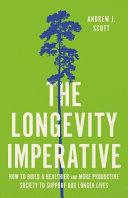
The Longevity Imperative
The Longevity Imperative by Andrew J. Scott is one of 2026's most credible books, appearing on 2 of the year's most respected lists, including Financial Times, Bloomberg, for a Consensus Score of 28 out of 100.
Appears on these lists
Our take
AI-draftedScott's argument is less about adding years than about redesigning the institutions built for a shorter-lived population: education front-loaded into youth, retirement fixed at 65, health systems oriented around treating old age rather than preventing it. Reviewers who cover economics and policy have responded more warmly than general readers, since the book's real audience is people who set pension ages and design workplaces. The recurring complaint is bloat: solid data and a genuinely useful reframe of aging as opportunity rather than burden, stretched across more pages than the thesis strictly needs.
In the press
“A must-read book with an important message and many lessons.”
Daron Acemoglu, cover blurb
How the Consensus Score is calculated
Our Consensus Score is our own transparent editorial metric — not a user rating. It weighs each list by the credibility of its source, how recent the listing is, and any award status. Here is the full breakdown.
| Source | Authority | Recency | Award | Contribution |
|---|---|---|---|---|
| Financial Times | 0.93 | 0.70 | 1.10× | 0.72 |
| Bloomberg | 0.80 | 0.70 | 1.00× | 0.56 |
| Weighted sum → Score | 1.28 → 28 | |||
Similar consensus books
Because they appear on some of the same lists.

Frequently asked
What lists is The Longevity Imperative on?
The Longevity Imperative appears on 2 lists in our 2026 corpus, including Financial Times, Bloomberg.
What is its Consensus Score?
The Longevity Imperative has a Consensus Score of 28 out of 100, our transparent editorial measure of how many credible lists agree on it.