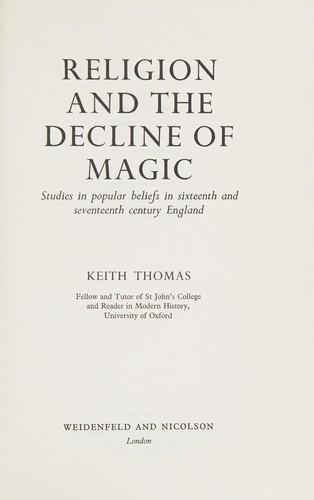
Religion and the Decline of Magic
Religion and the Decline of Magic by Keith Thomas is one of 2026's most credible books, appearing on 1 of the year's most respected lists, including McKinsey & Company, for a Consensus Score of 12 out of 100.
Appears on these lists
Our take
AI-draftedThomas's 1971 study set out to explain why belief in astrology, witchcraft, and providential magic was so central to English life before 1700 and then collapsed so thoroughly afterward, and he answers it with an overwhelming accumulation of primary-source detail rather than a single unifying theory. That method drew real criticism at the time — Lawrence Stone accused him of "intellectual overkill," burying argument under example after example — but the same density is what let the book outlast its initial reception to become a foundational text of English social and religious history. Five decades on, historians still treat it as both a model to build from and a target to argue against, which is a rarer form of staying power than being simply agreed with.
In the press
“Intellectual overkill.”
Lawrence Stone, Past & Present retrospective
How the Consensus Score is calculated
Our Consensus Score is our own transparent editorial metric — not a user rating. It weighs each list by the credibility of its source, how recent the listing is, and any award status. Here is the full breakdown.
| Source | Authority | Recency | Award | Contribution |
|---|---|---|---|---|
| McKinsey & Company | 0.80 | 0.70 | 1.00× | 0.56 |
| Weighted sum → Score | 0.56 → 12 | |||
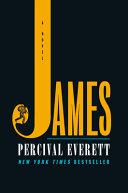
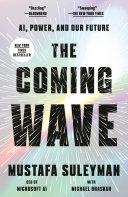
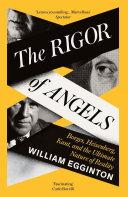
Similar consensus books
Because they appear on some of the same lists.

Frequently asked
What lists is Religion and the Decline of Magic on?
Religion and the Decline of Magic appears on 1 list in our 2026 corpus, including McKinsey & Company.
What is its Consensus Score?
Religion and the Decline of Magic has a Consensus Score of 12 out of 100, our transparent editorial measure of how many credible lists agree on it.