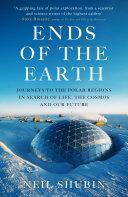
Ends of the Earth
Ends of the Earth by Neil Shubin is one of 2026's most credible books, appearing on 2 of the year's most respected lists, including The Economist, The Guardian, for a Consensus Score of 34 out of 100.
Appears on these lists
Our take
AI-draftedShubin, best known for tracing how fish became land animals, turns his fieldwork instincts on the poles themselves, weaving his own polar expeditions together with the history of earlier scientists who worked there to show how much of what we know about deep time, and about the cosmos, was pieced together at the literal ends of the earth. The book's real hook is using the Arctic and Antarctic as a lens on the present: ancient microbes and viruses locked in permafrost and ice for millennia are now being released as that ice melts, tying paleontology directly to a live public-health question. Reviewers consistently single out how readable Shubin makes technical material, pulling general audiences through science that would otherwise stay in specialist journals.
In the press
“An alarming report from the ice caps.”
Kirkus Reviews
How the Consensus Score is calculated
Our Consensus Score is our own transparent editorial metric — not a user rating. It weighs each list by the credibility of its source, how recent the listing is, and any award status. Here is the full breakdown.
| Source | Authority | Recency | Award | Contribution |
|---|---|---|---|---|
| The Economist | 0.95 | 0.85 | 1.00× | 0.81 |
| The Guardian | 0.85 | 0.85 | 1.00× | 0.72 |
| Weighted sum → Score | 1.53 → 34 | |||
Similar consensus books
Because they appear on some of the same lists.


Frequently asked
What lists is Ends of the Earth on?
Ends of the Earth appears on 2 lists in our 2026 corpus, including The Economist, The Guardian.
What is its Consensus Score?
Ends of the Earth has a Consensus Score of 34 out of 100, our transparent editorial measure of how many credible lists agree on it.